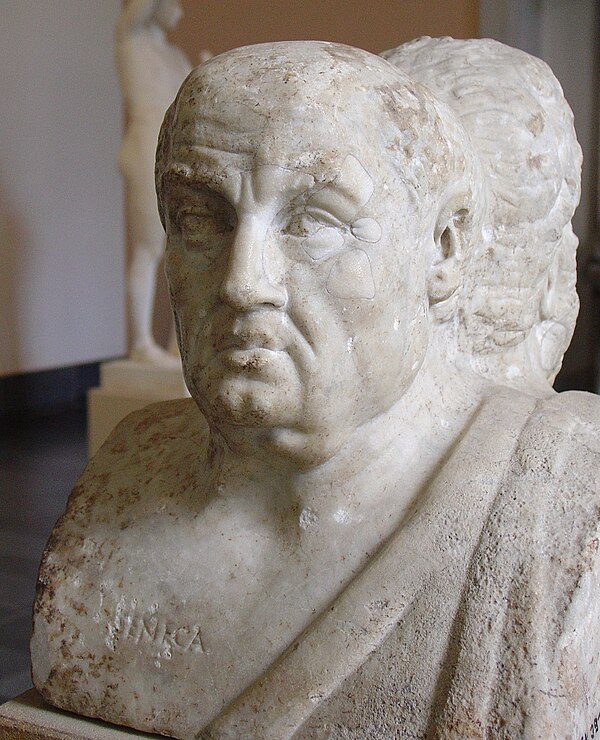
The Nobility of the Mind: A Stoic Reflection
Seneca's assertion, "It is the mind that ennobles a man," invites us to consider the profound relationship between our thoughts and our character. In a world often preoccupied with external achievements and material success, this quote serves as a reminder that true nobility arises from within. The cultivation of virtue, wisdom, and self-awareness is what ultimately defines our worth, rather than the accolades or possessions we accumulate. This perspective not only elevates our understanding of personal value but also challenges us to engage in a deeper exploration of what it means to live a meaningful life.
As we delve into this quote, we recognize that Seneca's wisdom transcends time and culture, speaking to the universal human experience. The mind, as the seat of our thoughts and intentions, plays a pivotal role in shaping our actions and, consequently, our character. By ennobling our minds through the practice of virtue, we align ourselves with a higher purpose, fostering a sense of dignity that is independent of external validation. This internal journey toward nobility is not merely an intellectual exercise; it is a transformative process that can lead to profound personal growth and fulfillment.
The image / the metaphor
At its core, Seneca's quote evokes a vivid image of the mind as a noble force, capable of elevating an individual beyond mere existence. The verb "ennobles" suggests an active transformation, implying that the mind has the power to refine and uplift one's character. This imagery invites us to envision the mind as a sculptor, chiseling away at the rough edges of our nature to reveal the inherent nobility within. It is a call to recognize that our thoughts and beliefs are not passive; they actively shape our identity and influence how we engage with the world around us.
Diving deeper into this metaphor, we can see that the ennobling process requires intentionality and effort. Just as a gardener tends to their plants, nurturing them to flourish, so too must we cultivate our minds with care and diligence. This involves not only the pursuit of knowledge but also the practice of self-reflection and ethical living. The mind, when properly nurtured, becomes a source of strength and resilience, guiding us toward virtuous actions that reflect our highest ideals. In this way, Seneca's quote serves as both an affirmation of the mind's power and a challenge to engage in the ongoing work of self-improvement.
In the speaker's tradition
Seneca's insights are deeply rooted in the Stoic tradition, which emphasizes the importance of virtue and rationality in achieving a good life. Central to Stoicism is the concept of 'virtue' as the highest good, aligning closely with the idea of 'dharma' in Eastern philosophies, where one's duty and ethical conduct define their path. The Stoics believed that the mind, when trained in wisdom and virtue, could navigate the challenges of life with grace and composure. This perspective resonates with the notion of 'kenosis' in Christian mysticism, where the emptying of self leads to a fuller realization of one's true nature.
In his letters, Seneca often reflects on the importance of self-examination and the cultivation of inner virtues. For instance, in "Letters to Lucilius," he emphasizes the need for self-awareness and the pursuit of wisdom as essential components of a noble life. This aligns with the Stoic practice of 'premeditatio malorum,' or the premeditation of evils, which encourages individuals to prepare their minds for adversity. By embracing this Stoic discipline, we can cultivate a mindset that not only ennobles us but also equips us to face life's inevitable challenges with fortitude and grace.
Living the teaching
Consider a modern scenario where this teaching can be applied: a workplace filled with competition and ambition. In such an environment, it is easy to become consumed by the desire for recognition and success, often at the expense of our values. However, if we embrace Seneca's wisdom, we can shift our focus from external validation to the cultivation of our inner character. By prioritizing integrity, collaboration, and ethical decision-making, we ennoble ourselves and create a positive impact on those around us. This approach not only enhances our own sense of worth but also fosters a culture of respect and support within the workplace.
Another application of this teaching can be found in personal relationships, particularly during challenging moments. When faced with conflict or misunderstanding, it is tempting to react impulsively, driven by emotions. However, by grounding ourselves in the understanding that our minds hold the key to our nobility, we can choose to respond with patience and empathy. This practice of mindful engagement allows us to navigate difficult conversations with grace, ultimately strengthening our connections and fostering deeper understanding. In this way, the ennobling of the mind becomes a transformative force, not only for ourselves but for those we interact with.
A reflection
As we contemplate Seneca's assertion, we are invited to reflect on the nature of our own minds and the values we hold dear. What thoughts and beliefs are shaping our actions and defining our character? In a world that often prioritizes external achievements, how can we cultivate a mindset that aligns with our highest ideals? Consider this contemplative question: In what ways can you actively ennoble your mind today, and how might this shift in perspective influence your interactions with others?