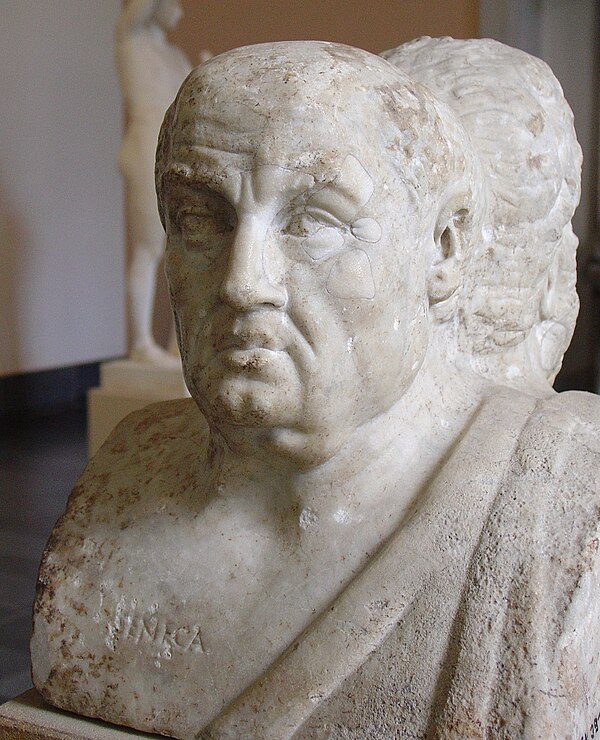
The Divine Freedom of Wisdom
In the words of Seneca, "He who is wise will become like the gods, free of want and free of fear." This profound assertion invites us to explore the transformative power of wisdom, suggesting that true understanding liberates us from the shackles of desire and anxiety. In a world rife with uncertainty and longing, the quest for wisdom becomes not just a philosophical endeavor but a vital pathway to inner peace and fulfillment.
Seneca's statement resonates deeply in our contemporary lives, where fear and want often dictate our choices and actions. To become "like the gods" implies a state of existence that transcends ordinary human experience, where one is unburdened by the incessant cravings and fears that plague the human condition. This notion of divine freedom is not merely aspirational; it serves as a guiding principle for those seeking a more profound understanding of themselves and their place in the cosmos.
The image / the metaphor
The imagery in Seneca's quote evokes a powerful contrast between the mortal and the divine. The wise individual, akin to the gods, embodies a state of being that is untainted by the incessant desires that often lead to suffering. The verbs "become" and "free" suggest a dynamic process of transformation, indicating that wisdom is not a static possession but an evolving state of consciousness that liberates one from the chains of want and fear.
Diving deeper into this metaphor, we can see that the gods represent an ideal of existence characterized by tranquility and completeness. To be free of want implies a profound contentment with what is, while freedom from fear suggests an unwavering courage in the face of life's uncertainties. This dual liberation is not merely about the absence of negative emotions; it is about cultivating a rich inner life that allows one to navigate the complexities of existence with grace and resilience.
In the speaker's tradition
Seneca's insights are deeply rooted in Stoic philosophy, which emphasizes the importance of virtue and wisdom as the highest goods. In Stoicism, the concept of 'apatheia'—a state of being free from destructive emotions—aligns closely with Seneca's vision of divine freedom. This parallels ideas found in other spiritual traditions, such as 'sunyata' in Buddhism, which speaks to the emptiness of inherent existence and the liberation that comes from understanding the nature of reality.
Furthermore, Seneca's thoughts echo the Stoic practice of 'premeditatio malorum,' or the premeditation of evils, which encourages individuals to confront their fears and desires head-on. By anticipating challenges and recognizing the transient nature of worldly attachments, one can cultivate a sense of equanimity that mirrors the divine state of being. This proactive engagement with life's uncertainties is a hallmark of Stoic wisdom, guiding practitioners toward a life of greater freedom and fulfillment.
Living the teaching
Consider a modern scenario where this teaching might resonate: a professional facing the pressures of a demanding job. The constant desire for recognition and the fear of failure can create a cycle of anxiety that detracts from one's ability to perform authentically. By embracing Seneca's wisdom, this individual can shift their focus from external validation to internal growth, recognizing that true success lies in the cultivation of wisdom and the ability to remain steadfast amidst external chaos.
A reflection
As we contemplate Seneca's assertion, we are invited to reflect on our own lives: What fears and desires hold us captive, preventing us from experiencing the freedom that wisdom promises? In seeking to embody the qualities of the wise, we can ask ourselves how we might cultivate a deeper understanding of our true nature, allowing us to transcend the limitations of want and fear. This inquiry not only enriches our personal journey but also connects us to the timeless wisdom that has guided seekers throughout history.