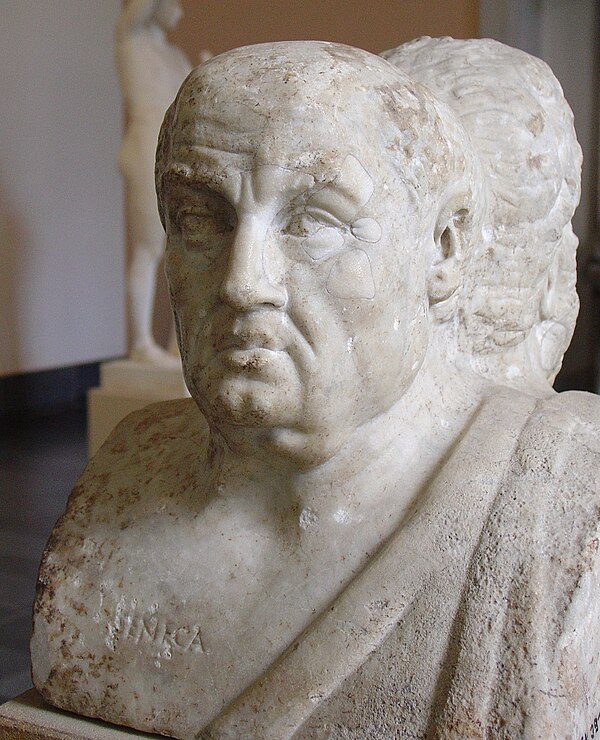
The Strength Found in Struggle
Seneca's assertion that "Difficulties strengthen the mind, as labor does the body" invites us to reconsider our relationship with adversity. In a world that often seeks comfort and ease, this perspective challenges us to embrace the trials we face as opportunities for growth. The stakes are high; how we respond to difficulties can shape our character and resilience, ultimately determining the quality of our lives. This quote serves as a reminder that the path to strength is not devoid of struggle, but rather intertwined with it.
To deepen our understanding, we must recognize that Seneca's wisdom is not merely a call to endure hardship but an invitation to engage with it actively. Just as physical labor builds muscle through resistance, mental and emotional challenges cultivate a robust mind. This process of strengthening is not instantaneous; it requires patience, practice, and a willingness to confront discomfort. In this light, difficulties become not just obstacles to be overcome but essential components of our personal development.
The image / the metaphor
The imagery in Seneca's quote evokes a vivid comparison between the physical and the mental realms. Labor, with its connotations of sweat, effort, and perseverance, serves as a tangible representation of the work required to build physical strength. Similarly, the mind, often perceived as a more abstract entity, requires its own form of labor to cultivate resilience and fortitude. The verbs "strengthen" and "labor" imply an active engagement with challenges, suggesting that both the body and mind thrive through effort and struggle.
In the speaker's tradition
Seneca's insights are deeply rooted in Stoicism, a philosophical tradition that emphasizes the importance of virtue, reason, and resilience in the face of life's challenges. Central to Stoic thought is the concept of 'amor fati,' or love of fate, which encourages individuals to accept and embrace their circumstances, including difficulties. This acceptance does not imply passivity; rather, it invites active engagement with life's trials as opportunities for growth and self-improvement. In this context, difficulties are not merely obstacles but essential elements of our journey toward wisdom and virtue.
Moreover, Seneca's perspective aligns with the Stoic practice of 'premeditatio malorum,' or the premeditation of evils, which involves contemplating potential challenges before they arise. By mentally preparing for difficulties, we can cultivate a mindset that views adversity as a natural part of life. This proactive approach is echoed in other philosophical traditions, such as Buddhism's concept of 'dukkha,' which acknowledges suffering as an inherent aspect of existence. Both traditions encourage us to confront and engage with our struggles, ultimately leading to greater understanding and strength.
Living the teaching
Consider a modern scenario where this teaching might resonate: a professional facing a significant challenge at work, such as a demanding project or a difficult colleague. Initially, the individual may feel overwhelmed, viewing the situation as a burden. However, by reframing the experience as an opportunity for growth, they can approach the challenge with a mindset focused on learning and resilience. This shift in perspective allows them to develop new skills, strengthen their resolve, and ultimately emerge from the experience with a greater sense of confidence and capability.
In a different context, imagine a relationship undergoing strain due to misunderstandings or conflicts. The initial reaction might be to avoid confrontation or seek an easy resolution. However, by embracing the difficulties inherent in the relationship, both partners can engage in open dialogue, fostering deeper understanding and connection. This process of navigating challenges together not only strengthens the bond between them but also cultivates emotional resilience, illustrating how difficulties can serve as a foundation for growth and intimacy.
A reflection
As we contemplate Seneca's assertion, we are invited to reflect on our own relationship with difficulties. What challenges have you faced that ultimately led to personal growth or a deeper understanding of yourself? In moments of struggle, how can you shift your perspective to view these experiences as opportunities for strengthening your mind? Allow this contemplation to guide you in embracing the trials of life with a spirit of resilience and openness.