The Art of Repose: Finding Stillness in a Chaotic World
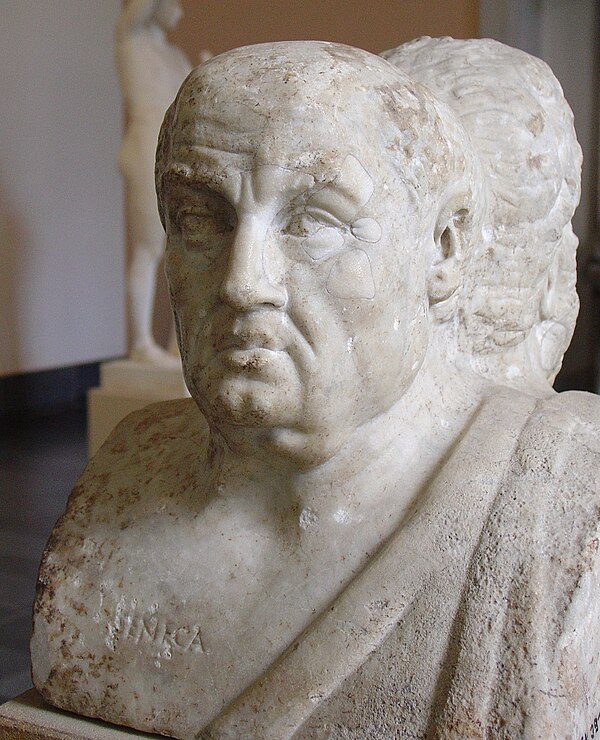
In the words of Seneca, "Settle yourself, then, where you will pass the day in repose." This invitation to find a place of calm and tranquility is not merely a suggestion for leisure; it is a profound call to cultivate inner peace amidst the tumult of life. In a world that often prioritizes busyness and productivity, this quote serves as a gentle reminder of the importance of rest and reflection. It beckons us to create a sanctuary within ourselves, where we can pause, breathe, and simply be.
To settle oneself is to engage in a deliberate act of self-care and mindfulness. This act is not passive; rather, it requires intention and practice. Seneca’s wisdom encourages us to carve out moments of repose, allowing us to reconnect with our inner selves and the present moment. In doing so, we can cultivate a deeper understanding of our thoughts and emotions, fostering a sense of peace that can guide us through the challenges of daily life.
The image / the metaphor
At first glance, the imagery in Seneca's quote evokes a serene landscape, a tranquil setting where one can find solace. The verb "settle" suggests an active choice, a grounding of oneself in a specific place or state of mind. It implies a movement away from the chaos of external demands and distractions, inviting us to anchor ourselves in stillness. The phrase "pass the day in repose" conjures a sense of gentle unfolding, where time slows down, allowing for reflection and rejuvenation.
Delving deeper into the metaphor, we can see that "repose" is not merely the absence of activity; it embodies a state of being that encompasses both rest and awareness. It invites us to embrace stillness as a practice, a way of engaging with our inner landscape. In this sense, repose becomes a fertile ground for self-discovery, where we can cultivate clarity and insight. It is a reminder that in the quiet moments, we can hear the whispers of our true selves, guiding us toward a more authentic existence.
In the speaker's tradition
Seneca's teachings are deeply rooted in Stoicism, a philosophy that emphasizes the importance of virtue, wisdom, and self-control. The concept of "ataraxia," or tranquility, resonates closely with the idea of repose. In Stoic thought, achieving a state of inner peace is paramount, as it allows individuals to navigate the vicissitudes of life with grace and resilience. This aligns with the broader spiritual traditions that advocate for the practice of stillness, such as Buddhism's notion of "sunyata," or emptiness, which encourages letting go of attachments to find peace.
In his "Letters," Seneca often reflects on the necessity of withdrawing from the chaos of the world to cultivate a deeper understanding of oneself. For instance, in Letter 2, he speaks of the importance of solitude and reflection as a means to achieve clarity and wisdom. This echoes the sentiments found in other philosophical texts, such as Marcus Aurelius' "Meditations," where the practice of self-examination and the pursuit of inner tranquility are central themes. Together, these teachings underscore the timeless value of finding repose in our lives.
Living the teaching
Consider a modern scenario where the demands of work and family life create an overwhelming sense of chaos. In such moments, the invitation to "settle yourself" becomes particularly poignant. Imagine taking a deliberate pause amidst a busy day, stepping away from screens and distractions to find a quiet space. This could be as simple as sitting in a park, closing your eyes, and focusing on your breath. In this act of settling, you create a sanctuary of peace, allowing yourself to recharge and gain perspective on the challenges you face.
In relationships, the practice of repose can also be transformative. During conflicts or moments of tension, taking a step back to settle oneself can lead to more constructive communication. By allowing space for reflection, you can approach the situation with a clearer mind and a more compassionate heart. This practice of repose fosters understanding and connection, reminding us that sometimes, the most powerful response is to pause, breathe, and listen before reacting.
A reflection
As we contemplate Seneca's invitation to "settle yourself," we are called to consider how we can cultivate moments of repose in our own lives. What practices can we integrate into our daily routines that allow us to pause and reconnect with ourselves? In a world that often demands our constant attention, how can we honor the necessity of rest and reflection? Let this quote serve as a guiding question: Where can you create a space of stillness in your life, and what insights might arise from that intentional pause?



Join the BrightStar Community
Stay connected with daily inspiration, event announcements, and community wisdom