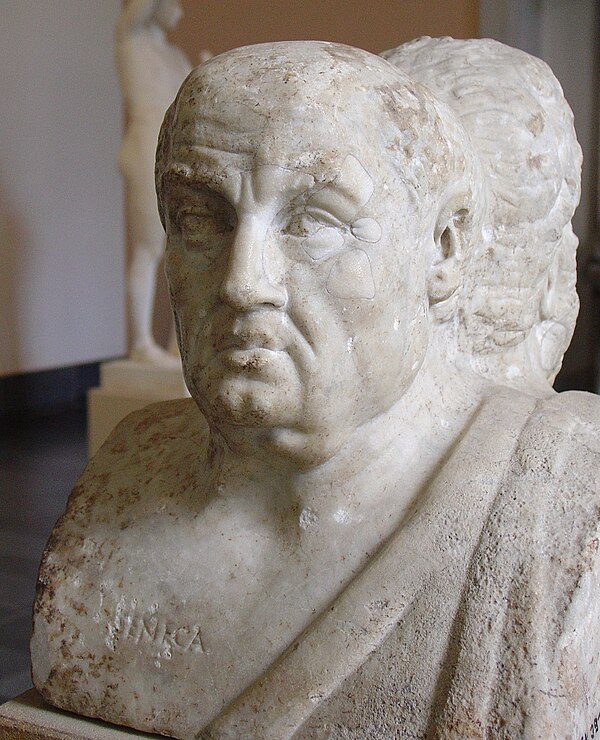
The Illusion of Suffering: A Stoic Perspective
Seneca's assertion that "We suffer more often in imagination than in reality" invites us to reflect on the nature of our fears and anxieties. This profound insight suggests that much of our emotional turmoil is self-generated, arising from our thoughts rather than external circumstances. In a world rife with uncertainty, understanding the distinction between imagined suffering and actual experience becomes crucial for cultivating a life of peace and resilience.
By recognizing that our minds often conjure scenarios far worse than reality, we can begin to dismantle the chains of fear that bind us. This quote serves as a reminder that our perceptions shape our experiences, and that the narratives we tell ourselves can either imprison us or set us free. In a society that often amplifies anxiety, Seneca’s wisdom offers a pathway to liberation through the practice of mindfulness and self-awareness.
The image / the metaphor
At its core, Seneca's quote evokes a vivid image of the mind as a theater, where fears and anxieties play out in elaborate detail, often overshadowing the simplicity of reality. The verb "suffer" implies a deep emotional pain, while "imagination" suggests a realm where possibilities are limitless, yet often distorted. This juxtaposition highlights the tension between our internal narratives and the external world, emphasizing how our thoughts can amplify suffering beyond what is warranted.
Delving deeper into this metaphor, we can see that our imagination acts as both a creator and a destroyer. It has the power to envision possibilities that inspire hope, yet it can also fabricate scenarios that lead to despair. By acknowledging this duality, we can learn to harness our imagination constructively, transforming it from a source of suffering into a tool for resilience and growth.
In the speaker's tradition
Seneca's insights are deeply rooted in Stoic philosophy, which emphasizes the importance of distinguishing between what is within our control and what is not. This principle resonates with the Buddhist concept of *sunyata*, or emptiness, which teaches that our attachments and aversions often stem from misperceptions of reality. Both traditions encourage us to cultivate a clear understanding of our thoughts and emotions, recognizing that much of our suffering is self-imposed.
In his *Letters from a Stoic*, Seneca elaborates on the idea that true wisdom lies in accepting the present moment without the distortions of fear or desire. He writes about the importance of practicing *apatheia*, or the state of being free from emotional disturbance, which aligns with the Stoic goal of achieving tranquility. This philosophical framework invites us to confront our fears head-on, allowing us to see them for what they are—mere shadows of our imagination.
Living the teaching
Consider a modern scenario where this teaching resonates: a person facing an important job interview. As the date approaches, they may find themselves spiraling into a cycle of anxiety, imagining worst-case scenarios—failing to answer questions, stumbling over words, or being judged harshly. In this case, the suffering is not rooted in the actual experience of the interview, but rather in the mental images that the individual has created, which can lead to paralysis and self-doubt.
A reflection
As we contemplate Seneca's wisdom, we are invited to ask ourselves: What fears or anxieties do I allow to dominate my thoughts, and how much of that suffering is rooted in my imagination? This question encourages us to examine the narratives we create and to discern the difference between what is real and what is merely a figment of our minds. By engaging in this reflective practice, we can begin to reclaim our power over our thoughts and cultivate a more peaceful existence.



Join the BrightStar Community
Stay connected with daily inspiration, event announcements, and community wisdom