Embracing the Boundless: The Wisdom of Belonging
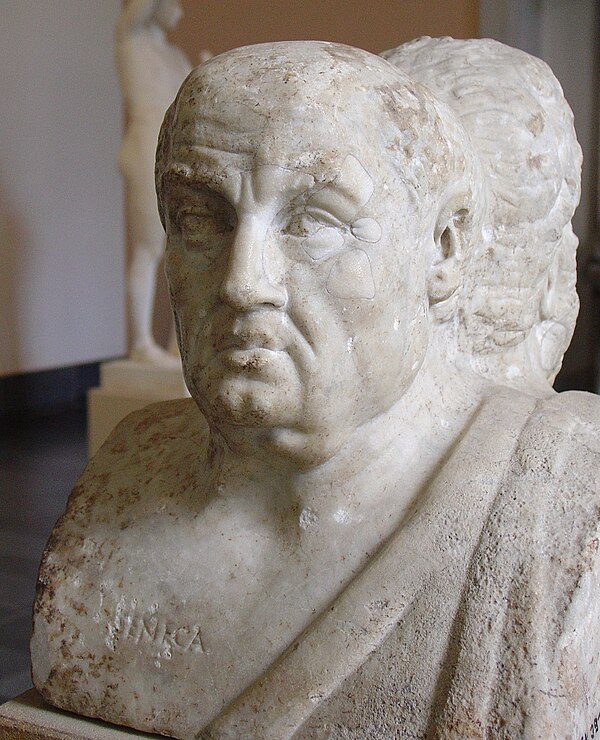
Seneca's profound assertion, "As a fish belongs to the water and a bird to the sky, so a wise man belongs to all places," invites us to contemplate the nature of belonging and wisdom. This quote suggests that true wisdom transcends geographical and cultural boundaries, allowing the wise individual to navigate life with a sense of unity and connection to the world. In an age where division often reigns, understanding this interconnectedness becomes essential for personal growth and collective harmony.
In this reflection, we are called to examine what it means to belong—not merely to a specific place or community but to the vast tapestry of existence itself. Seneca's words encourage us to cultivate a mindset that embraces diversity and inclusivity, recognizing that wisdom is not confined to a singular perspective. By exploring the depths of this quote, we can uncover insights that resonate with our own experiences and aspirations, ultimately guiding us toward a more expansive understanding of our place in the world.
The image / the metaphor
The imagery in Seneca's quote is striking and evocative. A fish, inherently tied to water, symbolizes the essence of belonging to an environment that nurtures and sustains it. Similarly, a bird, soaring through the sky, embodies freedom and the ability to traverse vast distances. The verbs "belongs" and "to" emphasize a deep-rooted connection, suggesting that just as these creatures are defined by their habitats, so too is a wise person defined by their ability to adapt and thrive in various contexts.
Diving deeper into the metaphor, we find that the wise individual, unlike the fish or the bird, is not limited to a single environment. Instead, they embody a fluidity that allows them to engage with all places and experiences. This adaptability reflects a profound understanding of the interconnectedness of life, where wisdom is not a possession but a way of being. The wise person, therefore, becomes a bridge between different worlds, drawing from the richness of diverse experiences to cultivate a holistic perspective.
In the speaker's tradition
Seneca's insights are deeply rooted in Stoic philosophy, which emphasizes the importance of virtue, reason, and the interconnectedness of all beings. The Stoics believed in the concept of cosmopolitanism, where individuals recognize their belonging to a larger community that transcends local affiliations. This idea resonates with the Buddhist notion of *sunyata*, or emptiness, which teaches that all things are interconnected and lack inherent existence. Just as a wise person belongs to all places, the Stoic sage understands that their identity is shaped by their relationships with others and the world around them.
In his *Letters*, Seneca often reflects on the nature of wisdom and the importance of cultivating a broad perspective. For instance, in *Letter 28*, he discusses the value of engaging with diverse thoughts and experiences, suggesting that true wisdom arises from an openness to the world. This echoes the teachings of other philosophical traditions, such as the Hindu concept of *dharma*, which emphasizes the importance of fulfilling one's role in the greater tapestry of existence. By situating Seneca's quote within this broader philosophical context, we can appreciate the timeless relevance of his insights.
Living the teaching
Consider a modern scenario where this teaching might resonate: a professional working in a multicultural environment. In such a setting, the ability to navigate diverse perspectives and practices becomes essential for success. By embodying the wisdom of belonging to all places, this individual can foster collaboration and understanding among colleagues from various backgrounds. This adaptability not only enhances workplace dynamics but also enriches the individual's own experience, allowing them to grow through the exchange of ideas and cultures.
Another application of this teaching can be found in personal relationships. Imagine a friendship that faces challenges due to differing beliefs or values. By embracing the wisdom of belonging to all places, one can approach the relationship with empathy and openness, recognizing that each person's perspective is shaped by their unique experiences. This understanding can lead to deeper connections and a more profound appreciation for the richness of human diversity, ultimately transforming potential conflicts into opportunities for growth and learning.
A reflection
As we contemplate Seneca's assertion, we are invited to reflect on our own sense of belonging. In what ways do we limit ourselves by clinging to specific identities or affiliations? How might we cultivate a broader perspective that embraces the wisdom of interconnectedness? By engaging with these questions, we can begin to embody the essence of the wise person, allowing ourselves to belong to all places and, in doing so, enrich our own lives and the lives of those around us.




Join the BrightStar Community
Stay connected with daily inspiration, event announcements, and community wisdom