The Path of Walking: A Journey Beyond Guidance
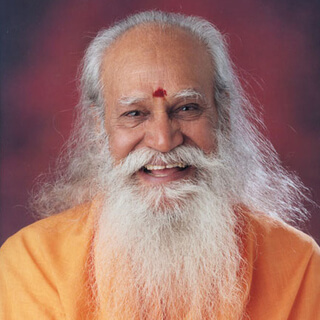
Swami Satchidananda's poignant assertion, "My job is to point. Yours is to walk," encapsulates the delicate interplay between teacher and student in the spiritual journey. This quote emphasizes the teacher's role as a guide, illuminating the path toward self-discovery and inner truth, while placing the responsibility of action squarely on the student. In a world often filled with distractions and uncertainties, understanding this dynamic is essential for anyone seeking growth and transformation.
At its core, this statement invites us to reflect on the nature of guidance and the importance of personal agency in our spiritual pursuits. The teacher can offer insights, wisdom, and direction, yet it is the student's responsibility to take those teachings and embody them in their own lives. This relationship is not merely transactional; it is a sacred dance of trust, where the teacher's pointing serves as a beacon, illuminating the path that the student must ultimately traverse alone.
The image / the metaphor
The imagery in Satchidananda's quote is strikingly simple yet profoundly evocative. The act of pointing suggests clarity and direction, while the verb "walk" implies movement, action, and personal engagement. This metaphor captures the essence of the spiritual journey: the teacher stands as a lighthouse, guiding the way, while the student must navigate the waters of their own experience. The act of walking is not passive; it requires effort, intention, and a willingness to embrace the unknown.
Diving deeper into this metaphor, we can see that the journey of walking is also one of exploration and discovery. Each step taken by the student is an opportunity to encounter new landscapes of understanding, to face challenges, and to cultivate resilience. The teacher's role, then, is not to walk the path for the student but to illuminate the way, encouraging them to trust their own instincts and insights as they navigate their unique spiritual terrain.
In the speaker's tradition
Swami Satchidananda's teachings are rooted in the philosophy of Integral Yoga, which emphasizes the harmonious integration of body, mind, and spirit. This holistic approach aligns with the concept of dharma, or one's personal duty, which underscores the importance of individual responsibility in the spiritual journey. The teacher's guidance serves to awaken the student's understanding of their own dharma, inviting them to walk the path that is uniquely theirs, rather than merely following a prescribed route.
In the context of Integral Yoga, this relationship between teacher and student resonates with the notion of bhakti, or devotion. The student must cultivate a sense of trust and surrender to the teacher's guidance, while simultaneously taking ownership of their own spiritual practice. This dynamic is beautifully illustrated in the Bhagavad Gita, where Arjuna must ultimately choose to act in accordance with his own understanding, despite the guidance of Krishna. The interplay of guidance and personal agency is a timeless theme that transcends cultures and traditions.
Living the teaching
Consider a modern scenario where this teaching can be applied: a yoga class where the instructor offers cues and adjustments to help students align their bodies and minds. The instructor points out the nuances of a pose, demonstrating the alignment and breath necessary for deeper practice. However, it is up to each student to internalize that guidance, to feel their way into the posture, and to explore the sensations that arise. This illustrates the essence of Satchidananda's quote; the teacher provides the tools, but the student must engage with them actively.
Another application of this teaching can be found in interpersonal relationships, particularly during moments of conflict. A friend may offer insights into a disagreement, pointing out patterns or behaviors that contribute to the tension. While their perspective can be invaluable, it is ultimately up to the individual to reflect on that feedback and decide how to respond. This process of self-reflection and action embodies the essence of walking the path, where the student must take responsibility for their choices and growth.
A reflection
As we contemplate Swami Satchidananda's profound words, we are invited to consider the nature of our own spiritual journeys. In what areas of your life are you seeking guidance, and how are you responding to that guidance? Are you actively walking the path that has been illuminated for you, or are you waiting for someone else to take the steps on your behalf? Reflecting on these questions can deepen our understanding of the teacher-student dynamic and inspire us to embrace our own journeys with courage and commitment.




Join the BrightStar Community
Stay connected with daily inspiration, event announcements, and community wisdom