The Transformative Power of Song: Finding Peace Within
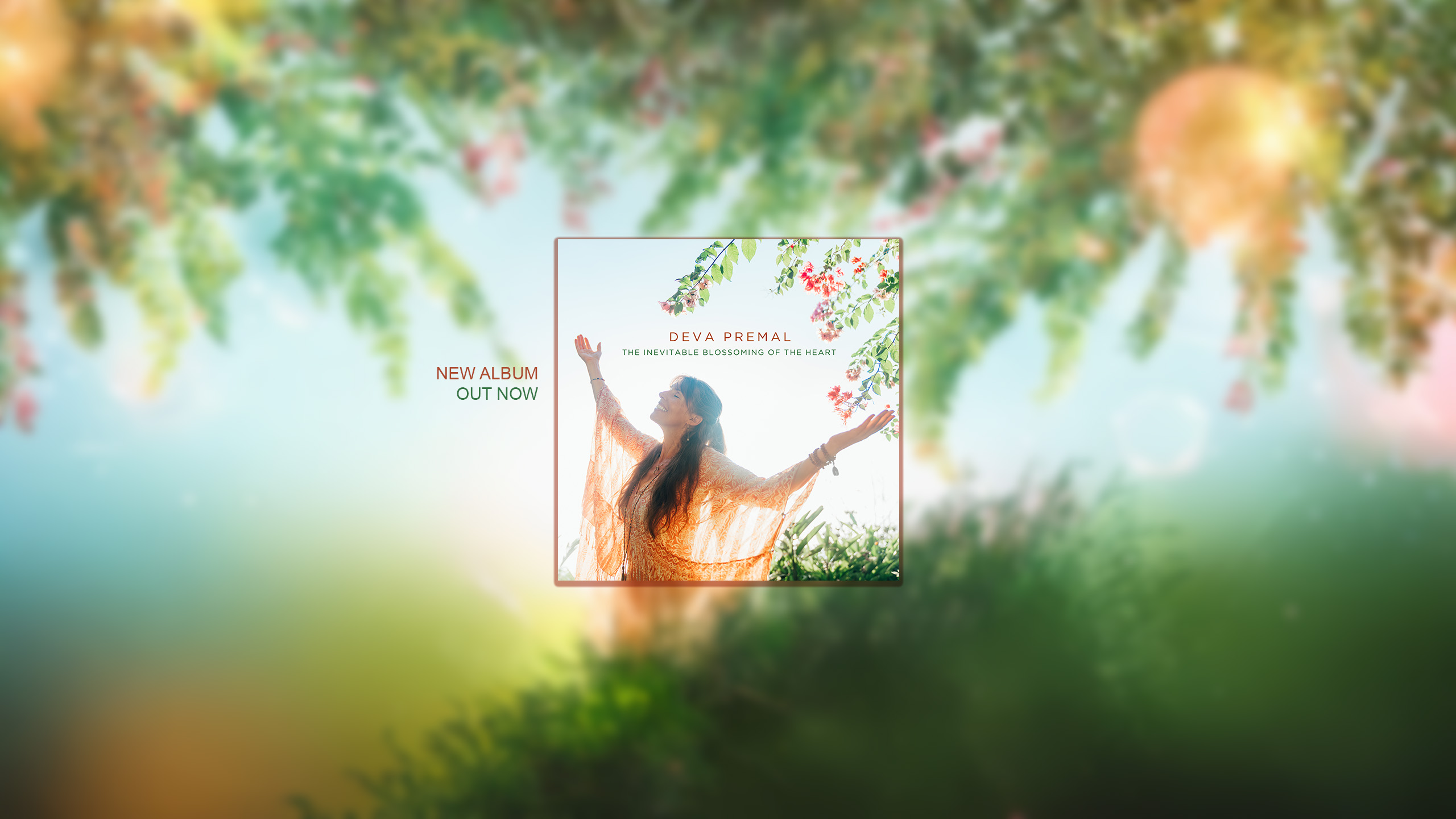
In the words of Deva Premal, "You can sing yourself into peace." This profound statement invites us to explore the transformative power of sound and song as a means to cultivate inner tranquility. In a world often filled with chaos and distraction, the act of singing becomes a sacred practice, a pathway to serenity that transcends the noise of daily life. It suggests that through the simple yet profound act of vocal expression, we can align ourselves with a deeper sense of harmony and well-being.
Delving deeper, we recognize that singing is not merely an act of vocalization; it is an embodiment of our innermost feelings and aspirations. When we sing, we engage in a form of self-expression that can resonate with our soul's longing for peace. This quote encourages us to consider how our voices can serve as instruments of healing, allowing us to navigate the complexities of our emotions and experiences. By embracing the act of singing, we open ourselves to the possibility of transformation, inviting peace to permeate our being.
The image / the metaphor
The imagery within the quote evokes a sense of liberation and release. To "sing yourself into peace" suggests an active participation in the journey toward tranquility. The verb "sing" implies a dynamic engagement, a movement away from silence and into the vibrancy of sound. This act of vocalization becomes a metaphor for the process of self-discovery, where each note sung is a step taken toward inner calm. The felt sense of this phrase is one of buoyancy, as if the act of singing lifts us above our troubles and into a space of serenity.
Moreover, the metaphor extends beyond the literal act of singing; it encompasses the broader concept of expression as a means of transformation. Singing can be seen as a ritual, a sacred act that connects us to something greater than ourselves. It invites us to explore the depths of our emotions, allowing us to release pent-up feelings and find solace in the resonance of our own voice. In this way, singing becomes a bridge between our inner world and the external reality, facilitating a journey toward peace that is both personal and universal.
In the speaker's tradition
Deva Premal's teachings are deeply rooted in the tradition of mantra-yoga, which emphasizes the power of sound and vibration in spiritual practice. Within this framework, the act of singing can be understood as a form of bhakti, or devotional practice, where the heart is opened through the expression of love and devotion. This aligns with the concept of dharma, as singing one's truth can be seen as fulfilling one's purpose and aligning with the natural order of existence. The practice of mantra recitation, much like singing, serves to quiet the mind and cultivate a sense of inner peace.
In the context of mantra-yoga, we can draw parallels to the teachings found in texts such as the Bhagavad Gita, where the importance of devotion and surrender is emphasized. The Gita speaks of the transformative power of surrendering one's ego and embracing a higher calling, much like the act of singing can lead us to a place of humility and openness. By engaging in the practice of singing, we not only express our emotions but also align ourselves with the divine flow of existence, allowing peace to emerge naturally from within.
Living the teaching
Consider a modern scenario where the teaching of singing oneself into peace can be applied: imagine a busy professional returning home after a long day filled with stress and tension. Instead of succumbing to the weight of the day's challenges, they choose to turn on their favorite music and sing along, allowing the melodies to wash over them. In this moment, the act of singing becomes a form of release, a way to process the day's events and reconnect with their inner self. The simple act of vocal expression transforms their mood, creating a space for peace to settle in.
In another context, think about a relationship where communication has become strained. One partner may feel unheard or misunderstood, leading to frustration and distance. By introducing the practice of singing together—perhaps through sharing a favorite song or creating a new melody—the couple can reconnect on a deeper level. This act of singing not only fosters intimacy but also serves as a reminder of the joy and harmony that can exist within their relationship. In both scenarios, the act of singing becomes a powerful tool for transformation, facilitating a return to peace and connection.
A reflection
As we contemplate the essence of Deva Premal's quote, we are invited to reflect on our own relationship with sound and expression. How often do we allow ourselves the freedom to sing, to express our innermost feelings through our voices? In what ways can we incorporate this practice into our daily lives to cultivate a deeper sense of peace? By engaging with these questions, we open ourselves to the transformative potential of song, allowing it to guide us toward a more harmonious existence.







Join the BrightStar Community
Stay connected with daily inspiration, event announcements, and community wisdom