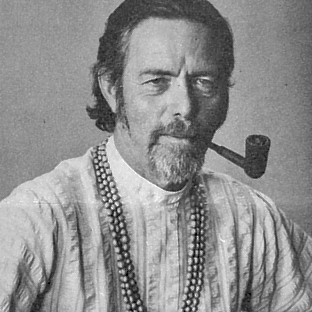
Embracing Existence: The Wisdom of Being
Alan Watts invites us to reconsider our approach to life with the succinct yet profound statement, "Stop trying. Start being." This call to action urges us to shift from a mindset of relentless striving to one of authentic existence. In a world that often equates worth with achievement, Watts challenges us to recognize the inherent value of simply being, suggesting that true fulfillment lies not in our efforts but in our presence.
This notion resonates deeply in a culture that glorifies busyness and productivity. The pressure to "try" often leads to a sense of inadequacy and disconnection from our true selves. Watts' words serve as a gentle reminder that our essence is not defined by our accomplishments but by our ability to embrace the present moment. By letting go of the incessant need to try, we open ourselves to the richness of being, allowing life to unfold naturally and effortlessly.
The image / the metaphor
At first glance, the quote presents a striking juxtaposition between two states of existence: "trying" and "being." The verb "trying" evokes images of struggle, effort, and a constant push against the currents of life. It suggests a sense of striving that can often feel exhausting and unfulfilling. In contrast, "being" embodies a state of ease, presence, and acceptance. It invites us to let go of our preconceived notions of success and simply inhabit our own existence.
In the speaker's tradition
Alan Watts, a prominent figure in the popularization of Eastern philosophy in the West, draws heavily from Zen Buddhism, which emphasizes the importance of direct experience and the nature of reality. Concepts such as "sunyata" (emptiness) and "fana" (annihilation of the self) resonate with Watts' teaching. In Zen, the idea of letting go of attachment to outcomes aligns with the practice of mindfulness, where one learns to be fully present without the burden of expectation.
In the context of Zen teachings, Watts' message can be likened to the practice of "zazen," or seated meditation, where the practitioner learns to simply be with their thoughts and feelings without striving to change them. This practice echoes the sentiment found in the Heart Sutra, which states, "Form is emptiness, emptiness is form." By embracing the emptiness of trying, we can discover the fullness of being, allowing us to experience life in its entirety.
Living the teaching
Consider a modern scenario where the pressure to succeed weighs heavily on an individual. Imagine a young professional who feels compelled to work long hours, constantly striving for promotions and accolades. In this context, Watts' teaching serves as a powerful antidote to the stress and anxiety that often accompany such relentless ambition. By shifting focus from trying to achieve to simply being present in their work, this individual may find greater satisfaction and creativity, ultimately leading to a more fulfilling career.
In relationships, the principle of "stop trying, start being" can also have profound implications. Picture a couple caught in a cycle of trying to please each other, often leading to misunderstandings and unmet expectations. By embracing the essence of being, they can cultivate a space of authenticity and vulnerability, allowing their connection to deepen naturally. This shift encourages them to appreciate each other for who they are, rather than who they feel pressured to be, fostering a more genuine and loving partnership.
A reflection
As we contemplate Watts' invitation to "stop trying" and "start being," we are prompted to reflect on our own lives. In what areas do we find ourselves caught in the cycle of striving, and how might we begin to embrace the simplicity of being? This question invites us to explore the tension between effort and ease, encouraging us to cultivate a deeper awareness of our existence and the beauty that unfolds when we allow ourselves to simply be.



Join the BrightStar Community
Stay connected with daily inspiration, event announcements, and community wisdom